Featured Projects
Wolves in Washington
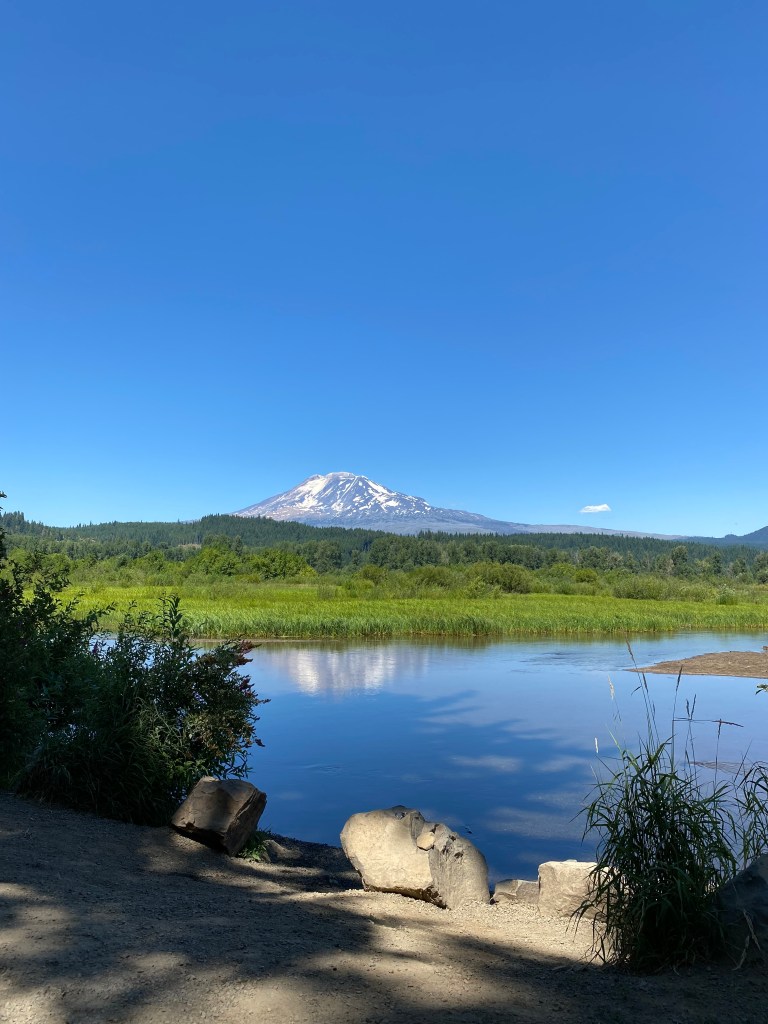
The recovery of gray wolves (Canis lupus) within the western U.S. is particularly polarizing, in part because wolves have become symbolic of broader sociopolitical values to many stakeholders. In May 2022, two wolves dispersed to Klickitat County, WA for the first time in 80 years. Klickitat County thus offers an opportunity to examine what informs humans attitudes towards wolves at this early, critical, and polarizing stage of establishment. Research led by PhD student Lara Volski has included interviews of a range of community members to learn their perspectives and how they feel their voices have been included in the issue while living and working on a farm in the Gorge. These qualitative interviews will inform the future creation of a longitudinal, county-wide survey.
Chronic Wasting Disease: Public Support and Outreach
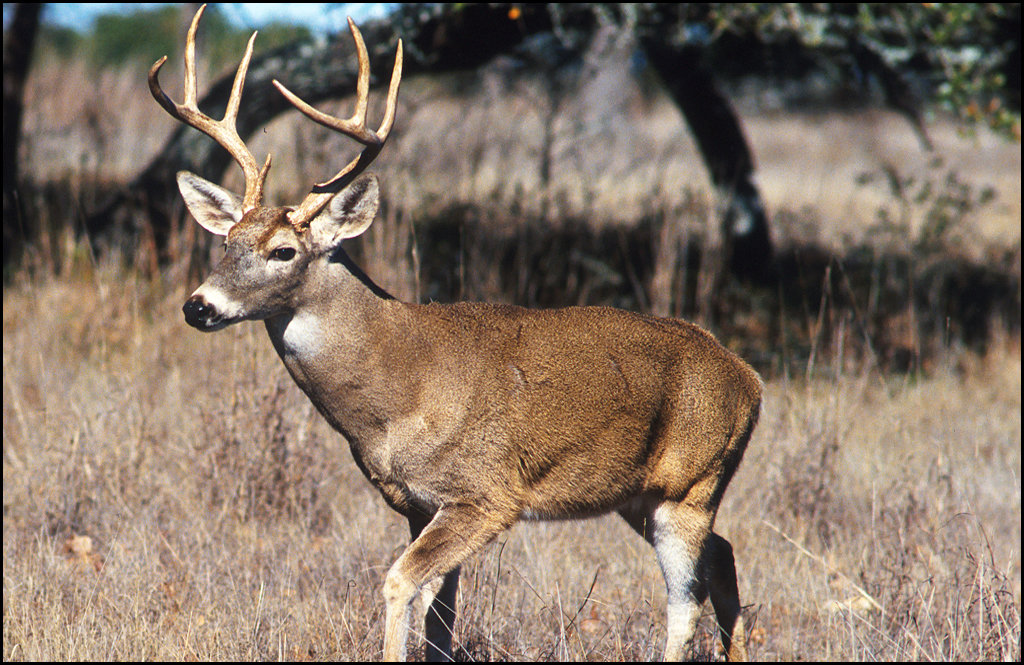
Chronic wasting disease (CWD) is a prion disease, a fatal neurological illness that affects deer, elk, moose, and caribou populations. While it is not currently found in Washington State it has been reported in neighboring states and the Washington Department of Fish and Wildlife (WDFW) developed a CWD management plan in 2021 to prevent the establishment of CWD in Washington State. Past experiences in attempting to manage the disease have shown that stakeholder behaviors and the public’s trust of agency management actions play a crucial role in effective CWD responses and that even the most sophisticated technical responses to CWD may be derailed by a lack of public support and cooperation. Research led by postdoc Meggie Callahan and in partnership with WDFW utilizes interviews, literature reviews, and a large-scale survey in order to identify pubic knowledge, concerns, and perceptions about CWD and CWD management. The ultimate goal is the creation and dissemination of education and outreach materials to ensure public cooperation and engagement with the management plan.
Adaptive Management: Challenges and Opportunities
Washington’s Forest Practices Habitat Conservation Plan (FP HCP), covers 9.3 million acres of commercial forestlands seeks to strike a challenging balance protection of endangered species and ensuring sustainable supplies of fish and timber. The FP HCP included an adaptive management program (AMP), which has grown to be perhaps the largest nonfederal adaptive management program in the United States. Two decades of AMP research have yielded substantial findings about the effects of forest practices on wildlife, fish, and water. However, differing risk perceptions and uncertainties among participating groups, as well the decision-making process itself, have made translating findings into policy a complicated and contentious process. Research led by postdoc Gretchen Sneegas and in partnership with WDFW seeks to understand how participating groups perceive the AMP’s outcomes, and how these perceptions weigh in policy decisions. This major case study not only has important implications for Washington, but will also offer broader insight into how stakeholder perceptions influence environmental policy outcomes.
Large Carnivore Reintroductions
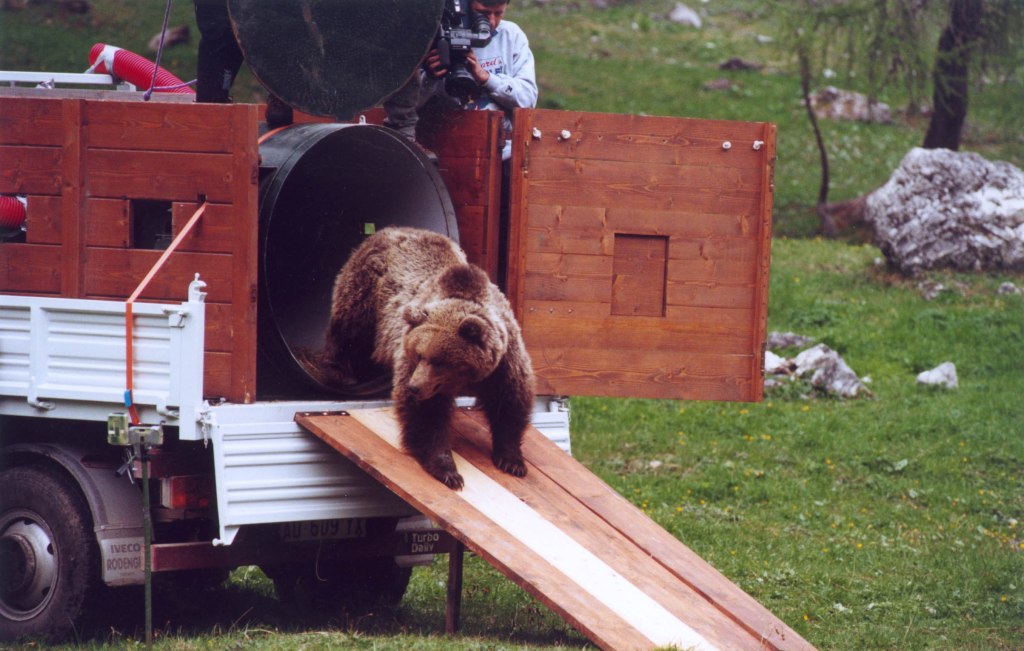
Of all the grim trends that define the Anthropocene, the global decline of large carnivores is one of the most severe. These declines have taken place even as ecologists have uncovered the keystone roles large carnivores play in their ecosystems. Recently, bold efforts to reintroduce large carnivores have grown in number and scope, but such programs face a number of challenges. Drawing from both social and ecological approaches, our group studies the obstacles and opportunities of reintroduction programs for both people and wildlife, seeking to ensure that ecosystems and social systems benefit from these efforts.
Respectful Recreation
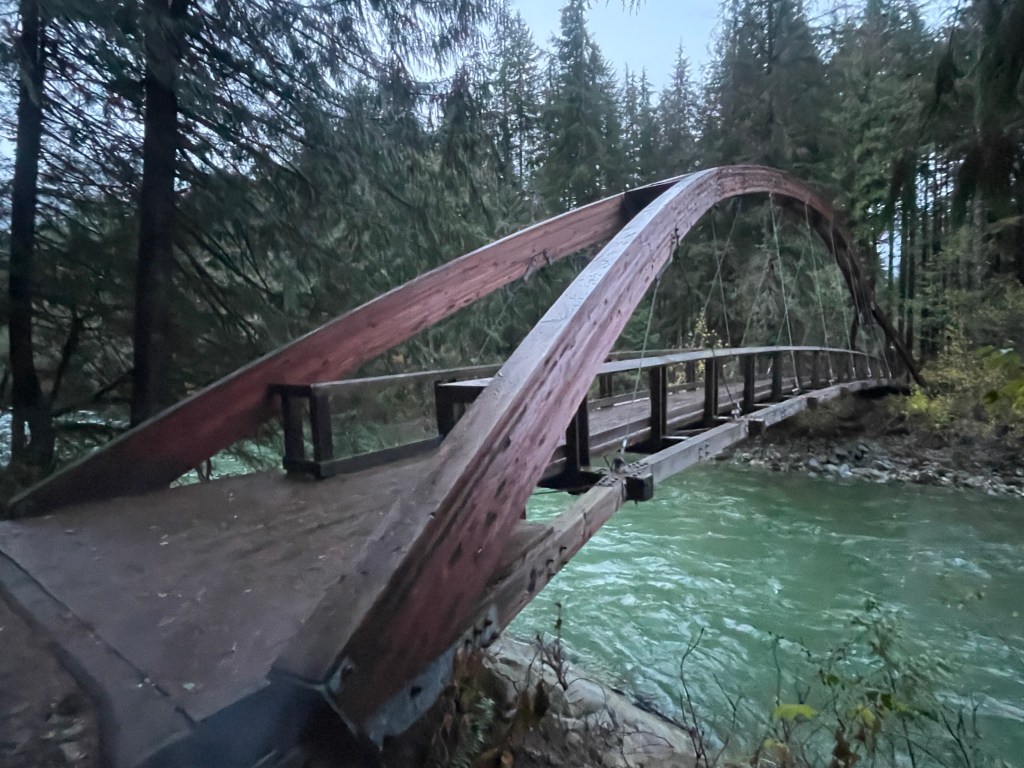
Recent research has highlighted the impacts that recreation can have on sensitive ecologies, but local cultures, especially those of Indigenous people, may also be affected by increasingly popular recreational activities. We are working in the Middle Fork of the Snoqualmie River to test the effect of messaging on bird abundance, recreation behavior, and the experience of recreationists. Working with the Snoqualmie and Tulalip Tribes, we have developed signage that promotes respectful recreation and are testing its effects using both social and ecological tools.
Salmon Conservation on Private Lands
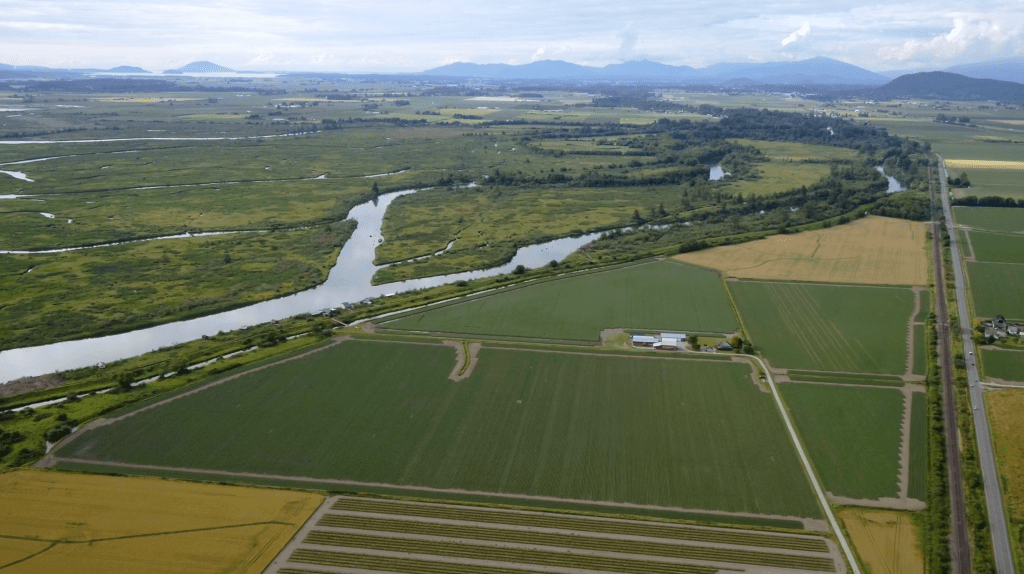
Salmon conservation is a major issue throughout Western North America, and it is complicated by the range of landowners who encounter salmon. We are working with the Washington Department of Fish and Wildlife in the Stillaguamish River Watershed to understand landowner values, attitudes, perspectives, and preferences regarding private conservation practices for salmon in this critical stretch of river.
Environmental Justice
For much of its history, wildlife ecology was a discipline practiced “out there,” in remote places and with little consideration of human communities. On an increasingly shared planet, the consequences that wildlife and wildlife management have on people are impossible to ignore. Through multiple direct and indirect pathways, wildlife can profoundly impact people’s lives and livelihoods in both positive and negative ways, meaning that living with wildlife is an environmental justice issue. Little research has explored the intersection of wildlife and environmental justice. In our research, we seek to lay theoretical foundations for understanding how wildlife and justice are linked. Our goal is to center justice in conversations about wildlife ecology and management, and demonstrate that environmental justice scholarship can offer novel insights into intransigent challenges in wildlife ecology and management.
 People and Wildlife Lab